
AI Search
Explore Growth Gary articles about AI search, traditional SEO, AI visibility, GEO, AEO, citations, search tools, and the changing discovery landscape.
Choose the discovery problem you need to solve
- People cannot find an important page: begin with SEO fundamentals and technical accessibility.
- Your brand is missing from AI answers: start with AI visibility explained, then use the small-business checklist.
- Nearby customers struggle to find your business: review Google Business Profile basics and the accuracy of the business information customers see.
- You need evidence before changing anything: follow the AI visibility audit guide rather than judging one generated answer.
Keep SEO, answers and citations in perspective
SEO concerns discovery and understanding in search. AEO and GEO describe overlapping work around direct and generative answers. The labels are useful for discussing the task, but they do not establish three separate checklists that every business must buy.
Google states that its existing SEO fundamentals remain relevant to AI Overviews and AI Mode; there is no special schema or additional optimization requirement for those features. That guidance is specific to Google and should not be treated as a guarantee of inclusion across every AI platform.
Measure a repeatable sample
Choose the customer questions, market and platforms before collecting answers. Keep the wording and conditions comparable, record the date and save the supporting evidence. Distinguish a brand mention from a citation, a recommendation from a passing reference, and all of those from a visit or customer action.
For example, a local business might review a small set of service questions and record whether it appeared, which sources were linked and whether its location was represented accurately. That is a scoped observation—not proof of how every nearby customer sees search results.
Turn findings into a short action list
Check whether the relevant page is accessible, whether the business facts agree, whether the answer is useful and supported, and whether related pages link to it. Prioritize a few observable gaps and retain the baseline so you can recheck after changes.
Avoid creating repetitive location pages, inventing credentials, publishing unsupported claims or buying a “guaranteed citation” promise. More markup or more AI-written articles does not substitute for accurate information and a useful customer experience.
Before your next audit: define the questions, record the platform and date, save examples, separate facts from interpretation and choose one owner for the next check. Use the glossary whenever a report’s terminology is unclear.
First-party reference: Google’s AI features and your website guidance. The articles below provide deeper explanations and current analysis without replacing those platform-specific requirements.
-
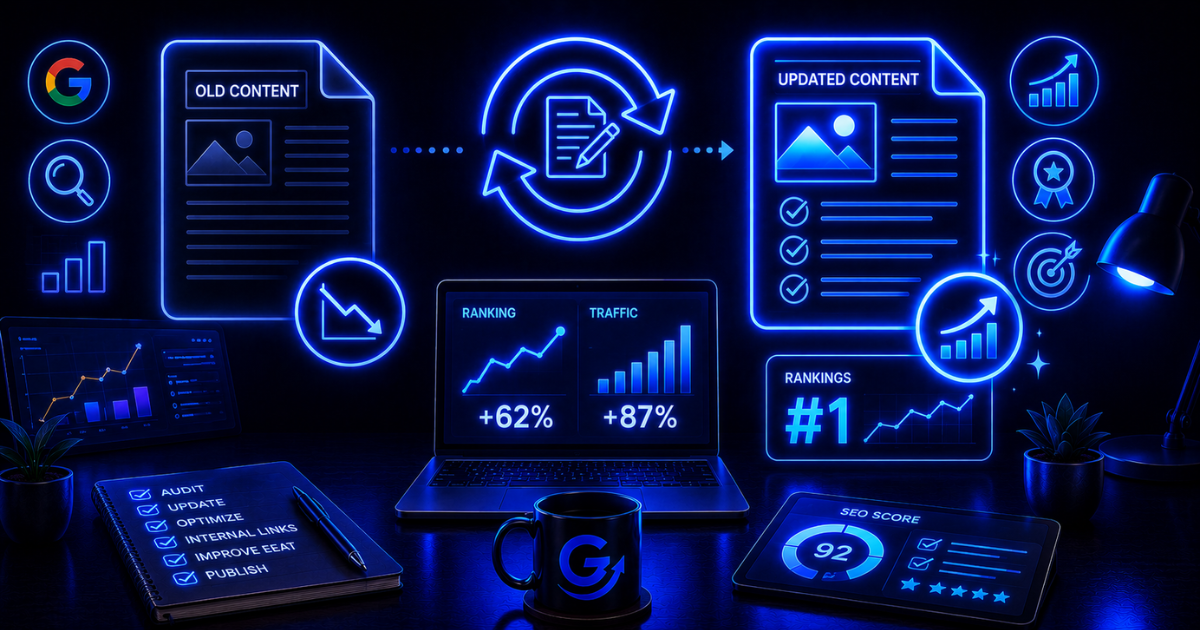
Does Updating Old Content Still Move Rankings?
About this guidance: Gary is GrowthGary’s AI marketing guide. This article presents GrowthGary’s editorial guidance, not a claim of personal testing by Gary. Learn about GrowthGary’s research and accountability. TL;DR What it is: A practical guide to deciding when to refresh existing content for search visibility. Who it’s for: SEO professionals, content marketers, business owners,…
-

How AI Search Works: A Beginner’s Guide to AI-Powered Search
AI search changes the job of a search engine. Instead of only returning a ranked list of pages, it can interpret a question, gather relevant information, compare sources, and compose a direct answer. That does not mean the web—or SEO—has disappeared. AI answer systems still need discoverable, understandable, trustworthy source material. What changes is the…
-
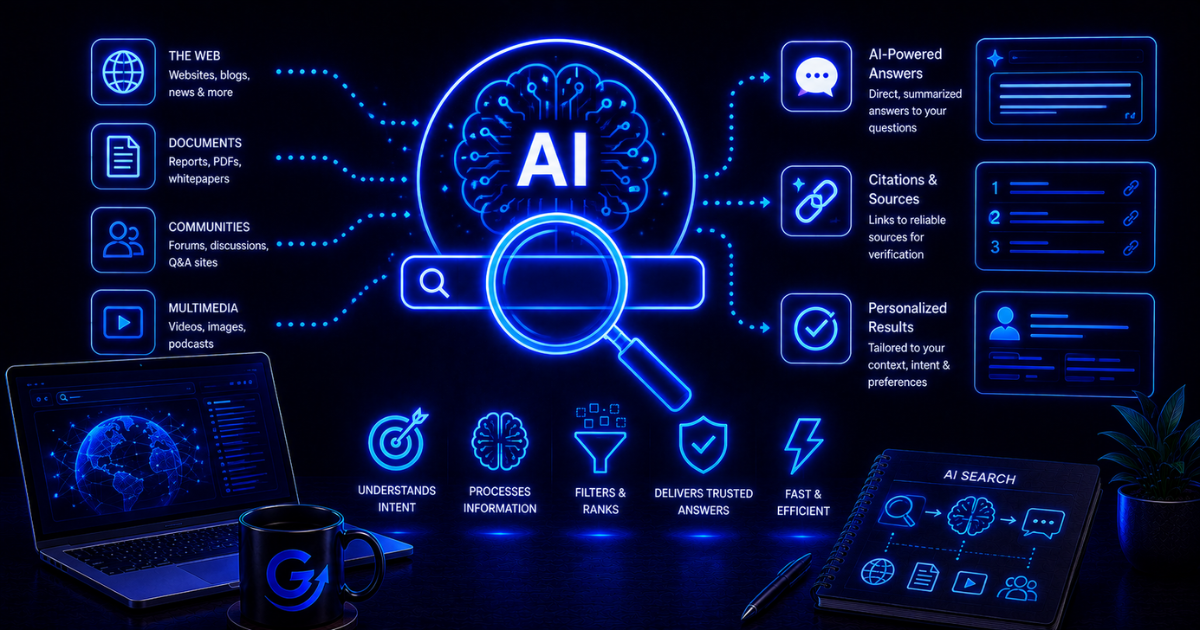
What Is AI Search?
Learn what AI search is, how answer engines work, how they differ from traditional search, and what marketers should optimize for now.